
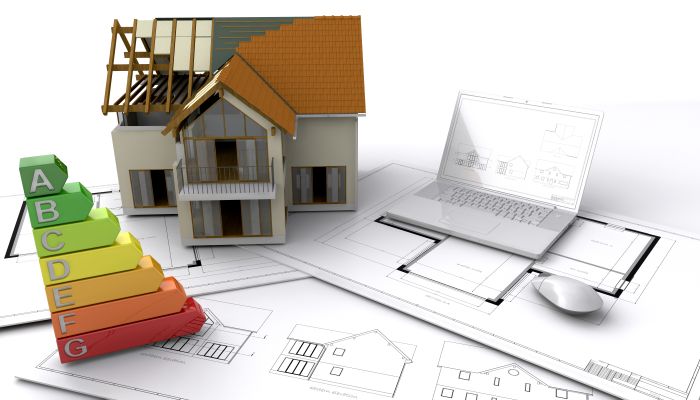
Your roof is your home’s first line of defense against the elements, and its design heavily influences your indoor comfort and energy bills. It does more than keep out rain; it manages heat and airflow. A well-designed roof keeps your home cooler in summer and warmer in winter, saving you money. This post explores how materials, insulation, ventilation, and color affect your home’s temperature.
Types of Roofing Materials
The material your roof is made from plays a crucial role in its thermal performance. Different materials have unique properties that affect how they absorb and reflect heat.
Common Roofing Materials and Their Properties
- Asphalt Shingles: This is the most common roofing material in the United States due to its affordability and ease of installation. Standard asphalt shingles tend to absorb a significant amount of heat, which can be transferred into your attic and living spaces. However, “cool-roof” asphalt shingles with reflective granules are available. These are designed to reflect more sunlight and absorb less heat, helping to keep your home cooler.
- Metal Roofing: Materials like steel, aluminum, and copper are becoming increasingly popular for residential homes. Metal roofing is excellent at reflecting solar radiation, which significantly reduces heat absorption. Many metal roofs are also pre-coated with special paint that enhances their reflective properties. Their lightweight nature and durability make them a long-lasting, energy-efficient choice.
- Clay and Concrete Tiles: Often seen on homes in warmer climates, tile roofs are highly effective at managing heat. Their shape and mass help to create an air barrier that reduces heat transfer. The natural thermal resistance of clay and concrete means they warm up slowly and release heat gradually, which can help maintain a more stable indoor temperature throughout the day and night.
- Slate: A natural stone product, slate is incredibly durable and has excellent thermal properties. Its density allows it to resist heat transfer effectively. While it’s one of the more expensive options, a slate roof can last for over a century and provides superior insulation against both heat and cold.
- Wood Shingles and Shakes: Wood is a natural insulator, so it offers decent protection against heat gain in the summer and heat loss in the winter. However, wood requires more maintenance than other materials and can be susceptible to fire, rot, and insects, which can impact its long-term performance.
The Importance of Insulation
While your roofing material is the outer shield, insulation is the hidden defender working tirelessly within your attic. Insulation is a material designed to slow the transfer of heat. In the summer, it prevents the scorching heat from your attic from radiating down into your living areas. In the winter, it stops the warm air from inside your home from escaping through the roof.
Without proper insulation, your HVAC system has to work much harder to maintain a comfortable temperature, leading to higher energy consumption and costs. The effectiveness of insulation is measured by its R-value—the higher the R-value, the better its thermal resistance. The recommended R-value for your attic depends on your climate zone, but ensuring you have adequate insulation is one of the most effective ways to improve your home’s energy efficiency.
Common insulation materials include fiberglass, cellulose, and spray foam. Each has its own R-value and installation method, but all serve the same vital purpose: creating a thermal barrier between your home and the outside world.
The Role of Ventilation Systems
A well-ventilated attic is crucial for regulating your home’s temperature and protecting your roof’s structure. Ventilation creates a continuous flow of air through the attic space, which helps to dissipate heat and moisture.
During hot weather, the sun can heat your attic to temperatures exceeding 150°F (65°C). This trapped heat radiates downwards, warming up your home. An effective ventilation system, typically consisting of intake vents (like soffit vents) and exhaust vents (like ridge or gable vents), allows cooler outdoor air to enter the attic and push the hot, moist air out. This process prevents heat buildup and reduces the load on your air conditioning system.
In the winter, ventilation helps prevent moisture condensation. Warm, moist air from your living spaces can rise into the attic. If it cools and condenses on the underside of your roof sheathing, it can lead to mold, mildew, and rot. Proper ventilation ensures this moist air is removed before it can cause damage.
How Roof Color Affects Temperature
You might remember from a science class that dark colors absorb more light (and heat) while light colors reflect it. The same principle applies to your roof. The color of your roofing material has a direct impact on how much heat your home absorbs.
- Dark-colored roofs (black, dark gray, brown) absorb a significant amount of solar energy, which heats up the roof and the attic space below. In colder climates, this can be a slight advantage in the winter, as it can help melt snow and provide a small amount of passive heating. However, in warmer climates, this extra heat absorption dramatically increases cooling costs.
- Light-colored roofs (white, light gray, beige) are often called “cool roofs.” They reflect a much larger portion of the sun’s rays into the atmosphere. This keeps the roof surface and the attic cooler, reducing the amount of heat transferred into the home. Choosing a lighter color or a material with certified reflective properties can lead to significant energy savings, especially in sunny regions.
Conclusion
Your roof is key to your home’s comfort and energy efficiency. Upgrade to energy-efficient options like metal roofing or cool-roof shingles, and ensure your attic insulation meets recommended R-values. Check ventilation to prevent heat and moisture buildup, and consider lighter colors for better performance. These steps can improve your roof’s efficiency, lower energy bills, and make your home more comfortable.