
Mercedes-Benz has built its reputation on precision, performance, and luxury. For more than a century, the brand has represented the pinnacle of automotive engineering. But owning a Mercedes comes with responsibilities that differ from owning a typical vehicle. Understanding these differences helps owners protect their investment and enjoy their cars for years to come.
Engineering That Demands Respect
Mercedes vehicles are not built like ordinary cars. Every component, from the engine to the smallest sensor, reflects a philosophy of over-engineering. Where other manufacturers might use adequate parts, Mercedes often chooses components designed to exceed requirements. This approach creates vehicles that perform exceptionally well but also require maintenance that matches their complexity.
The engines in Mercedes vehicles illustrate this point clearly. Many models use advanced turbocharged systems, direct injection, and sophisticated timing mechanisms. These technologies deliver smooth power and impressive efficiency, but they also need attention that simpler engines do not. Oil quality matters more. Service intervals exist for real reasons. Skipping maintenance or using substandard parts can create problems that cascade through interconnected systems.
The electrical architecture in modern Mercedes vehicles is equally sophisticated. Dozens of computers communicate constantly, managing everything from engine performance to seat adjustments. This integration creates a seamless driving experience, but it also means that problems in one area can affect seemingly unrelated systems. Proper diagnosis requires specialized equipment and trained technicians who understand how these systems interact.
Design Choices That Affect Ownership
Mercedes designers make choices that prioritize performance and longevity over easy repair. This philosophy shows in how components are arranged and accessed. Parts that rarely fail might be buried deep in the engine bay because engineers assumed they would last the life of the vehicle. When those parts eventually need attention, reaching them takes more time and expertise than similar repairs on simpler cars.
The materials Mercedes uses also set these vehicles apart. High-strength aluminum, specialized alloys, and advanced composites reduce weight and improve handling. But these materials require specific repair techniques. A body shop accustomed to working with conventional steel might not have the equipment or training to properly repair a Mercedes. Using incorrect methods can compromise the structural integrity that keeps occupants safe.
Even routine maintenance items differ from what many owners expect. The brake systems on Mercedes vehicles often use larger rotors and more sophisticated calipers than competitors. The air suspension systems available on many models deliver a superior ride but need periodic attention that conventional springs never require. Owners who understand these design choices can plan accordingly rather than being surprised by maintenance needs.
The Owner’s Role in Vehicle Care
Owning a Mercedes well requires more involvement than simply driving it to any nearby shop when the warning light comes on. Successful Mercedes owners tend to be proactive rather than reactive. They follow the maintenance schedule, use appropriate fluids and parts, and address small issues before they become large problems.
The maintenance schedule exists for good reasons. Mercedes engineers determined these intervals based on how their components wear and what they need to continue performing properly. Extending oil changes to save money often costs more in the long run. Ignoring transmission service can lead to failures that dwarf the cost of preventive maintenance. The schedule is not a suggestion but rather a blueprint for keeping the vehicle healthy.
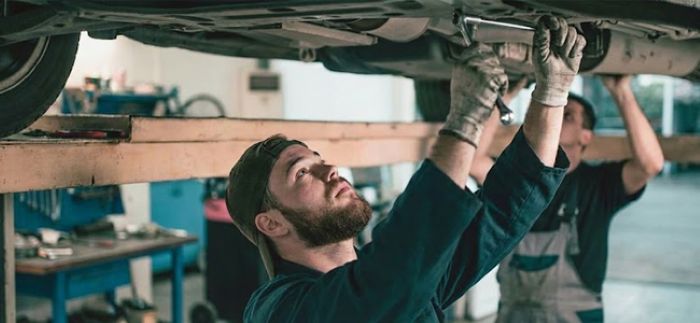
Choosing where to have work done matters as much as when. Many owners seek out specialists who focus specifically on European vehicles or Mercedes in particular. These shops invest in the diagnostic equipment, training, and tooling that proper service requires. When owners discuss finding mercedes auto repair they can trust, they often emphasize the importance of technicians who understand the brand’s unique characteristics.
Parts quality deserves attention too. The aftermarket offers cheaper alternatives for nearly every Mercedes component. Some of these alternatives perform acceptably. Others fall short in ways that cause problems months or years later. Owners who insist on quality parts, whether original equipment or reputable alternatives, generally experience fewer headaches over time.
The Long View on Mercedes Ownership
Mercedes vehicles can deliver exceptional service for decades when maintained properly. Examples of these cars running well past 200,000 or 300,000 miles are not rare. But reaching those milestones requires commitment from the owner throughout the vehicle’s life.
The cost of maintaining a Mercedes runs higher than maintaining an average car. This reality surprises some buyers who stretch their budgets to afford the purchase price without considering ongoing expenses. Wise owners factor maintenance costs into their ownership calculations from the beginning. They set aside funds for scheduled service and inevitable repairs rather than deferring work when it becomes due.
Understanding what makes these vehicles different helps owners make informed decisions. The engineering that delivers superior performance requires superior care. The design choices that create an exceptional driving experience demand appropriate expertise when service is needed. Owners who accept these responsibilities get to enjoy what Mercedes does best. Those who expect Mercedes performance with ordinary car maintenance usually end up disappointed.
The relationship between a Mercedes and its owner works best when both sides hold up their end. The car delivers engineering excellence. The owner provides the maintenance that engineering requires. When this balance holds, Mercedes ownership becomes what the brand promises: a genuine luxury experience built on a foundation of quality and precision.