
Large-scale corrections in appraisal records directly impact tax assessments for individuals and businesses. When values shift across entire neighborhoods, taxpayers feel the effect through adjusted bills. These corrections follow a strict process designed to protect accuracy and fairness.
Most taxpayers never see the work involved in adjusting a property’s taxable value. Each corrected amount comes from a trail of system checks and expert reviews. Contact us for help reviewing a tax notice that reflects a corrected appraisal or to explain what changed.
Tax Professionals’ Role in Appraisal Discrepancy Reviews
Tax experts monitor for discrepancies throughout the valuation cycle. These professionals work closely with appraisal districts to review questionable entries. When a property’s assessed value seems too far from fair market estimates, a review begins.
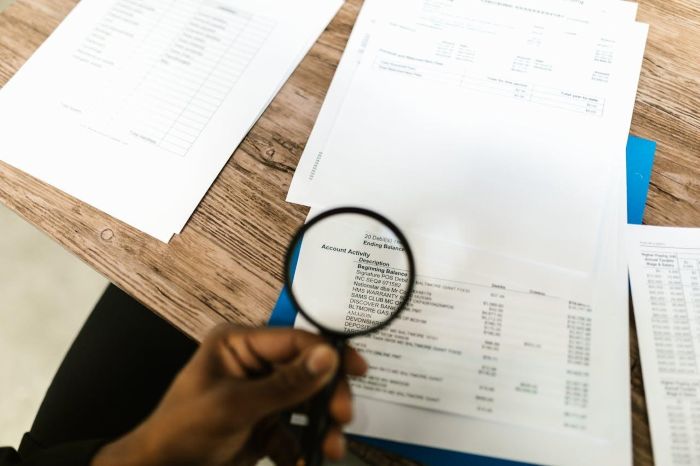
Financial documents, sales data, and comparable valuations help in confirming errors. Once verified, requests for correction move through a documented process. Appraisal staff then work with tax service providers to ensure that the updated value reflects accurate taxation rules.
Data Systems That Trigger Property Tax Adjustments
Appraisal corrections usually begin with system alerts. These systems detect valuation errors based on set rules. If a value changes too drastically compared to previous years or similar properties, the record flags for review.
Once flagged, specialists investigate the data line by line. They examine how the value was originally calculated. Records with errors move into the correction queue. These cases follow specific timelines to prevent delays in tax roll processing.
Team Coordination for Value Updates
Multiple departments handle appraisal corrections. Appraisers work alongside tax professionals and systems analysts to execute updates. Data teams handle recalculations using district-approved formulas. Legal teams verify compliance with applicable tax codes.
Once changes pass internal reviews, updates move to the accounting team. These professionals adjust tax estimates and issue revised documentation. This collaboration keeps property tax calculations transparent and consistent.
Key Steps in Amending Property Tax Records
Tax record changes follow structured actions. Below are the main steps followed before finalizing a correction:
- Review valuation data and supporting files.
- Match the property’s condition and use against assessment inputs.
- Document each issue found in the original record.
- Apply tax code-compliant updates in the system.
- Recalculate affected tax amounts.
- Issue revised notices for impacted properties.
Each step follows a defined path with oversight from tax professionals and district appraisers.
Final Validation Before Tax Roll Certification
Before final records move to certification, one last review takes place. Teams audit revised entries for format, calculation, and consistency. These checks ensure values align with current regulations. Without this step, errors could reach tax rolls and affect collections.
Once confirmed, the revised appraisal data becomes part of the certified tax roll. Tax service providers then support property owners in reviewing any impacts. This phase closes the correction loop before billing cycles resume.
Tax-related appraisal corrections require more than technical updates. Each change involves collaboration, expertise, and strict review standards. Reach out for support with understanding changes in the property tax values or for help disputing an incorrect adjustment. Clear, accurate corrections depend on strong partnerships between appraisal teams and trusted tax professionals. Every detail matters when property values affect financial outcomes.