
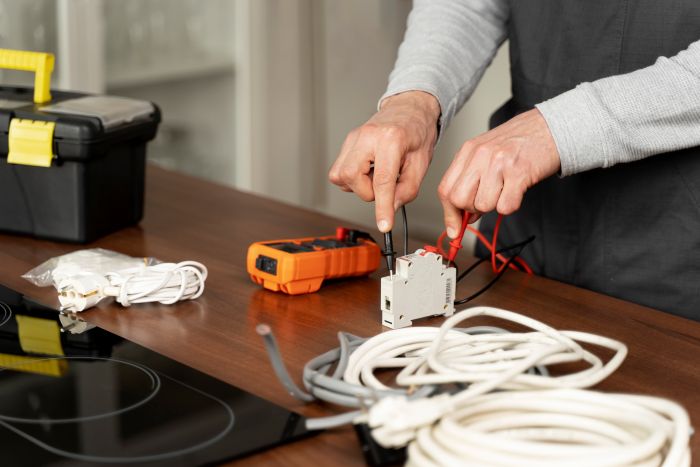
Safety often comes down to small choices made every day. The big dramatic moments get all the attention. But the quiet daily habits matter just as much. They build a foundation that keeps you and your family protected over time.
Electrical safety works the same way. You do not need to become an expert to use electricity safely. You simply need to develop good habits that become second nature. These small practices add up to create a safer home environment.
The habits themselves are simple. Anyone can adopt them. The challenge is making them part of your regular routine.
Thinking Before You Plug
Every time you plug something into an outlet, you make a small decision. Most of the time, this decision happens automatically. You need power, so you find an outlet and plug in. The whole process takes seconds.
But pausing briefly before plugging in can become a valuable habit. A quick glance at the outlet tells you whether it looks normal. A moment of thought helps you consider whether that circuit is already carrying a heavy load. This brief pause costs almost nothing but adds a layer of awareness to your electrical use.
You might notice an outlet that looks discolored or damaged. You might realize that you are about to plug a high-power device into a circuit already running several appliances. These small observations help you make better choices about where and how you use electricity.
The habit of thinking before plugging does not slow you down meaningfully. It simply adds a moment of consciousness to an otherwise automatic action. That consciousness makes a difference over time.
Unplugging What You Do Not Use
Many devices draw power even when turned off. This phantom energy use adds to your electrical bill. But beyond the cost, keeping devices constantly plugged in also means keeping those circuits constantly active.
Developing the habit of unplugging unused devices benefits you in several ways. It reduces the constant draw on your electrical system. It eliminates the small but real risk that comes with any energized connection. It also helps you stay aware of what is actually plugged in around your home.
You do not need to unplug everything obsessively. Some devices need to stay connected for practical reasons. But occasional sweeps through your home to unplug forgotten chargers, unused appliances, and idle electronics make good sense.
This habit also keeps you connected to your electrical use. You notice what you have plugged in. You make conscious decisions about what stays connected. You take ownership of how electricity flows through your home.
Keeping Cords in Good Condition
Electrical cords take abuse over time. They get stepped on, bent sharply, pinched under furniture, and pulled at awkward angles. This wear and tear damages them gradually. The outer covering might fray. The inner wires might weaken.
Developing habits around cord care helps prevent problems. You can make it routine to glance at cords when you use them. You can avoid running cords under rugs or through doorways where they get crushed. You can replace cords that show visible damage rather than continuing to use them.
Good cord habits also include how you store them. Wrapping cords loosely prevents the sharp bends that damage internal wires. Keeping cords organized prevents tangles that lead to pulling and stress. These small practices extend the life of your cords and keep them functioning safely.
The condition of your cords matters more than many people realize. A damaged cord can overheat or fail. Treating cords with care reduces these risks significantly.
Respecting Outlet Capacity
Every outlet has limits. It can safely deliver a certain amount of power. Exceeding that limit strains the circuit and creates heat. Yet many people overload outlets without thinking about it.
Power strips and extension cords make overloading easy. You can plug device after device into a single outlet through these accessories. The outlet does not complain until something goes wrong.
Building habits around outlet capacity helps prevent overloading. You can spread your electrical use across multiple outlets rather than concentrating it in one place. You can avoid daisy chaining power strips together. You can think about the total demand you are placing on any single circuit.
These habits require some awareness of how your electrical use distributes across your home. But you do not need precise calculations. You simply need to avoid obvious concentration of high-power devices on single outlets or circuits.
Noticing and Responding to Changes
Perhaps the most important habit is simply paying attention. Your electrical system communicates through small signals. Lights that flicker. Outlets that feel warm. Breakers that trip. Sounds that seem unusual. These signals carry information about your system’s condition.
Making it a habit to notice these signals helps you respond appropriately. You stop dismissing small changes as unimportant. You start treating them as information worth considering. This shift in mindset improves your relationship with your home’s electrical system.
When you notice something concerning, the habit of following up matters too. Many homeowners find that having a trusted professional like an electrician weatherford to call gives them confidence to act on their observations.
Building Habits That Last
Good habits take time to develop. You do not transform your behavior overnight. You build new patterns gradually through repetition and intention.
Start with one or two electrical safety habits. Practice them until they feel natural. Then add another habit to your routine. This gradual approach works better than trying to change everything at once.
Involve your whole household in building these habits. When everyone participates, the habits reinforce each other. Family members remind each other. Good practices spread through the home naturally.
Over time, these habits become automatic. You think before plugging without conscious effort. You notice cord condition without trying. You stay aware of outlet loads instinctively. The habits integrate into your daily life and protect you without demanding attention.
The Cumulative Power of Small Habits
No single habit guarantees electrical safety. But habits work together to create a safer environment. Each small practice adds to your overall protection. The cumulative effect exceeds what any single action could achieve.
Your home’s electrical system serves you faithfully every day. These simple habits return that service with respect and attention. They help you use electricity wisely and safely. They protect your home and everyone in it from preventable problems.
Safety lives in the small moments. It grows from daily choices made consistently over time. The habits you build today will serve you for years to come.