
For homeowners in St. Louis, ensuring that sewer lines remain functional and efficient is crucial for maintaining a healthy and comfortable living environment. Over time, these critical components of the plumbing infrastructure can deteriorate or become damaged, leading to a multitude of problems ranging from minor inconveniences to significant property damage. Recognizing the early warning signs that your sewer line requires repair or replacement is key to preventing escalated issues.
Unpleasant Odors and Persistent Drain Issues: A Sign to Inspect Your Sewer Line
The presence of foul odors coming from your drains or yard is a strong indication that your sewer line may be compromised. These unpleasant smells are often the first sign that something is amiss, and they are hard to ignore. They usually indicate a break or blockage in the sewer line that is allowing sewer gases to escape into your home or property.
Furthermore, persistent drain issues, such as water taking an abnormally long time to go down or water levels fluctuating in toilets, are indicative of potential sewer line troubles. If your toilets make gurgling noises, this could mean that air is trapped somewhere in the system due to a clog or blockage in the sewer line.
Repeated backup in drains, notably in the lowest points of your property like basements, are further signs suggestive of sewer line disruptions. If common household fixes or plungers do not resolve these issues, it could suggest something more serious. The constant battle with drain issues is not only bothersome but could also be laying the groundwork for possible health risks and structural damage to your property.
In addition, if you experience multiple fixtures clogging simultaneously, this is rarely a coincidence. It’s much more likely that your main sewer line is to blame. These plumbing issues should not be brushed aside, as they often escalate quickly, demanding immediate professional assessment and possibly leading to a sewer line replacement St Louis.
Landscape Anomalies and Sewage Backups: Understanding the Red Flags
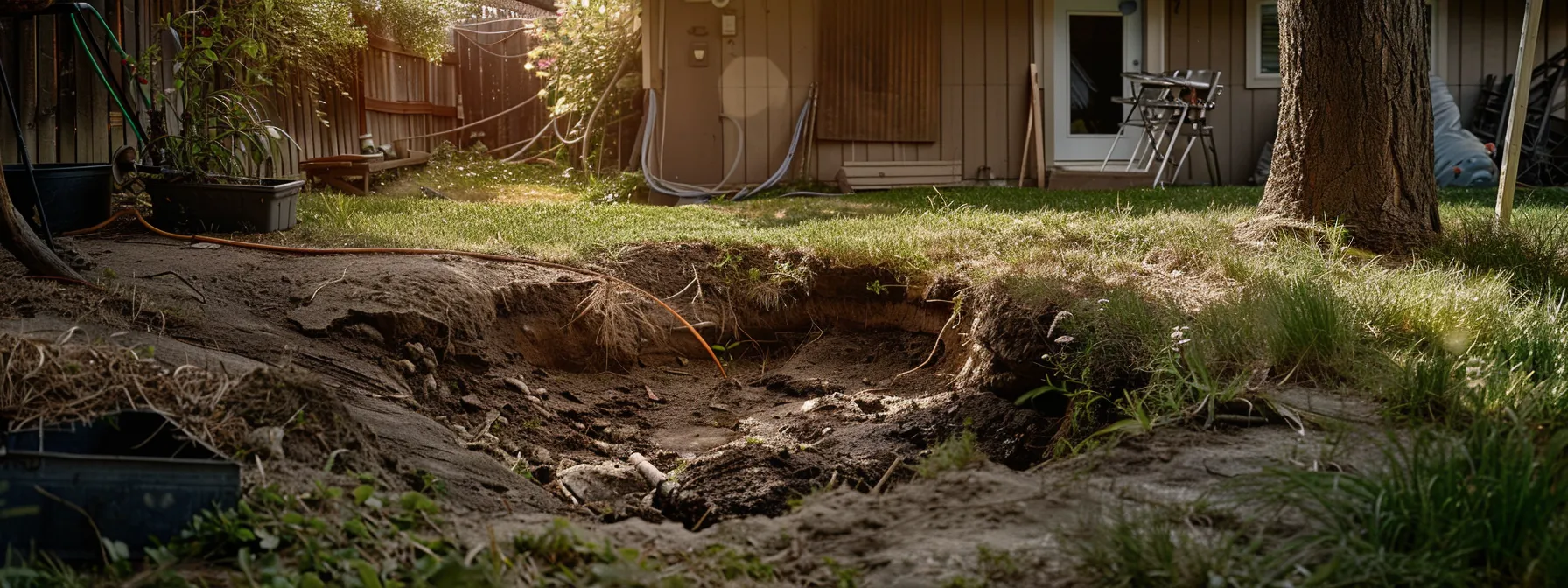
Visible changes in your landscape should trigger concern regarding your sewer line. If you observe sinkholes or unexpected shifts in soil around your property, it’s advisable to consider the effect these might be having on your underground pipes. These depressions can be the result of a sewer line rupture that is eroding the soil from underneath.
Sudden infestations of pests like rodents or insects could also be a red flag. These creatures are attracted to the sewage as a food source and may indicate a break in the sewer line that’s allowing them to have easy access to the surface. Their presence should not be taken lightly, as they can contribute to further damage and create health concerns.
Sewage backups, particularly after extensive rainfalls, can sometimes be attributed to municipal sewer systems. However, they can also signal that your private sewer line is unable to cope with the incoming flow. This could be due to a variety of underlying issues, such as blockages or structural damage to the pipes.
Experiencing unexpected water pooling in your yard without a clear source is another indicator of trouble lurking underground. Such anomalies can imply that the sewer line has been compromised, and sewage might be leaking into the ground. It is critical to look into these landscape anomalies as they can often help preempt larger disasters with your sewer system.
The Impact of Tree Roots and Aging Infrastructure on St. Louis Sewer Lines
Tree roots pose a significant threat to sewer lines, especially in older neighborhoods where trees have had more time to grow and potentially interfere with underground utilities. Roots naturally seek out water sources, and a sewer line can become a target for infiltration. Over time, roots can breach pipes, causing blockages or complete breaks that disrupt service and require immediate attention.
Aging infrastructure in St. Louis is another challenge for maintaining sewer line integrity. As the city’s sewer systems grow older, the materials can deteriorate, leading to a higher likelihood of cracks and collapses. This degeneration is of particular concern in areas with historic homes that still rely on original plumbing components.
Corrosion is an additional factor to consider. Over decades, the accumulated wear and tear from wastewater and chemical reactions can weaken pipes, eventually leading to their failure. The tricky aspect of aging sewer lines is that the deterioration happens out of sight, becoming apparent only when a breakdown occurs.
Overall, St. Louis residents must stay alert to the signs of sewer line distress. Should the need for professional intervention arise, prompt action can make all the difference in protecting your property and ensuring your peace of mind.