

The leap from the lecture hall to the hospital ward is one of the most exhilarating yet exhausting transitions a student can make. Clinical rotations represent the bridge between theory and practice, where the abstract concepts of pathophysiology and pharmacology finally take on a human face. However, this transition often brings a hidden challenge that many are unprepared for: the sheer volume of academic paperwork that follows you home after a twelve-hour shift. Balancing the physical demands of being on your feet with the mental rigor of writing case studies and care plans requires more than just hard work; it requires a strategic approach to your time and energy.
Staying organized is the first step toward maintaining your sanity during this period. When you are juggling patient assessments and looming essay deadlines, your brain can easily go into “survival mode,” leading to burnout. Many students find that the pressure of maintaining a high GPA while performing well in a clinical setting is the most stressful part of their undergraduate journey. To navigate this, utilizing professional Myassignmenthelp resources for your assignment help can be a practical way to manage your workload, ensuring that your grades don’t suffer while you are busy saving lives or learning essential bedside skills.
The Reality of the “Double Life”
Most undergraduate programs designed for professional certification—whether in healthcare, social work, or education—demand a dual focus. You are expected to be a professional in the field by day and a scholar by night. This “double life” often results in a fractured schedule where traditional study habits no longer apply. You cannot simply pull an all-nighter for an exam when you have a 6:00 AM shift the next morning.
To succeed, you must adopt a “micro-learning” mindset. This involves breaking down massive projects into tiny, manageable tasks that can be completed in thirty-minute windows. Instead of trying to write a 2,000-word paper in one sitting, aim to complete just the literature review or the introduction during your commute or lunch break.
Prioritization and the Matrix of Urgency
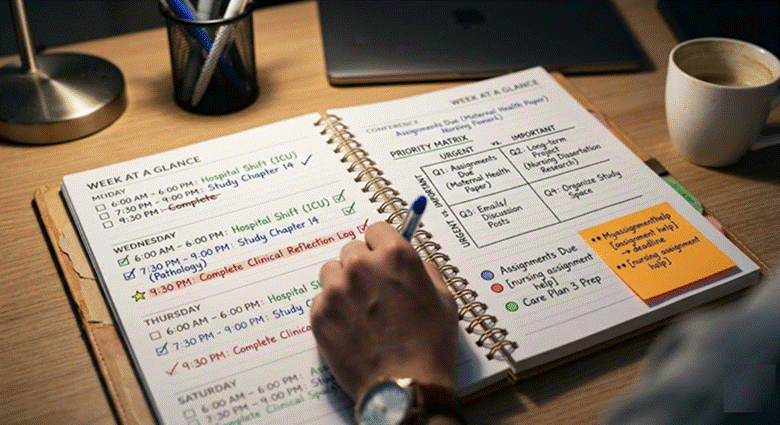
Not all paperwork is created equal. Some reports are due daily, while others are long-term projects. Use a prioritization matrix to categorize your tasks based on their deadline and their impact on your final grade.
| Task Category | Example Activity | Strategic Approach |
| Urgent & Important | Clinical Reflection Logs | Complete within 24 hours of the shift. |
| Important, Not Urgent | End-of-term Dissertation | Schedule 2 hours per week for research. |
| Urgent, Not Important | Weekly Discussion Posts | Use templates to finish these quickly. |
| Low Priority | Optional Reading | Save for days with no clinical shifts. |
Mastering the Art of Clinical Documentation
For many, the most taxing part of the rotation is the specific documentation required by the facility. Learning to write concisely is a skill that will serve you well both in the hospital and in your academic essays. In the clinical world, “if it wasn’t documented, it wasn’t done.” The same applies to your degree—if you don’t submit the paperwork, the hours you spent on the ward won’t count toward your graduation.
If you find yourself struggling with the technical requirements of healthcare reports, seeking specialized Myassignmenthelp through nursing assignment help can provide the clarity needed to master complex care plans. These services are particularly useful for understanding the nuances of medical terminology and ensuring that your academic submissions meet the high standards of evidence-based practice. Mastering this balance early in your rotation will prevent a backlog of work from piling up as the semester progresses.
Using the “Gap” Strategy
One of the best ways to keep your head above water is to identify “hidden gaps” in your day. These are the 10 to 15-minute periods spent waiting for a bus, sitting in a breakroom, or waiting for a supervisor to sign off on a task. Instead of scrolling through social media, use these gaps to check your citations or outline the next paragraph of your essay.
Furthermore, communication with your clinical educator is vital. If you have a massive deadline approaching, let them know. While they won’t do the work for you, they may be able to give you a slightly more flexible schedule or allow you to use a quiet corner of the unit to catch up on notes during low-activity periods.
Physical Health as an Academic Tool
It sounds counterintuitive, but taking time away from both clinicals and books to focus on your physical health will actually improve your academic performance. Sleep deprivation is the enemy of quality writing. When you are exhausted, a paragraph that should take twenty minutes to write can take two hours.
Prioritize “sleep hygiene” and nutrition. A brain fueled by caffeine and vending machine snacks will eventually crash, leading to “brain fog” that makes academic paperwork feel impossible. Treat your body like the professional instrument it is. Even a 20-minute walk in fresh air can reset your cognitive functions, making your study sessions much more productive.
Setting Realistic Academic Boundaries
It is important to realize that you cannot be “on” 24/7. Designate specific areas of your home as “work-only” zones and others as “relaxation-only” zones. When you are in your study chair, you are a student; when you are on your sofa, you are off the clock. This mental separation helps prevent the feeling that paperwork is “bleeding” into every aspect of your life.
If you are a student who works while studying, these boundaries are even more critical. You must learn to say “no” to extra social commitments during your peak clinical weeks. It isn’t forever—it’s just for the duration of your rotation. The goal is to reach the finish line with your mental health and your GPA intact.
Leveraging Peer Support Groups
You are not alone in this struggle. Your classmates are likely feeling the same pressure. Creating a small “accountability group” can be incredibly helpful. You can share resources, clarify confusing assignment prompts, and provide emotional support. Sometimes, simply knowing that someone else is also struggling with a difficult case study makes the burden feel lighter.
Peer groups can also act as a secondary “check” for your paperwork. Trading drafts with a friend for a quick proofread can catch simple errors that you might have missed after a long shift. Just ensure that your group focuses on helping each other understand the material rather than simply sharing answers, as academic integrity remains the foundation of your future professional license.
The Role of Technology in Productivity
In the modern academic landscape, technology should be your best friend. Use speech-to-text apps to dictate your initial thoughts for an essay while you are walking or driving. This “verbal drafting” can save hours of staring at a blank screen later that night. Use reference management software to organize your bibliography as you go, rather than trying to format twenty citations the night before the paper is due.
Ultimately, balancing clinical rotations and academic paperwork is a test of your professional endurance. It prepares you for the fast-paced reality of your future career. By staying organized, utilizing the right support services when necessary, and protecting your physical well-being, you can excel in both the ward and the classroom.
Frequently Asked Questions (FAQ)
1. How many hours a day should I spend on paperwork during rotations?
Ans: It varies, but aiming for 1–2 hours of focused work daily is better than trying to do 10 hours on a Sunday. Consistency prevents the “paperwork pile-up” that leads to stress.
2. Is it okay to use academic support services for specialized subjects?
Ans: Yes, many students use support services to understand complex formatting or technical requirements. It is a common way to supplement learning, especially in high-pressure fields like healthcare or engineering.
3. What should I do if I fall behind on my clinical logs?
Ans: Address it immediately. Contact your professor or clinical lead. It is much easier to catch up on one week of notes than it is to catch up on a month’s worth at the end of the term.
4. How can I stay awake to study after a long shift?
Ans: Instead of reaching for more caffeine, try a “power nap” of 20 minutes or a quick cold shower. However, if you are truly exhausted, it is often better to sleep and wake up an hour earlier the next day when your brain is fresh.
5. How do I balance social life with these demands?
Ans: During heavy clinical rotations, your “social life” might need to be integrated with your “study life.” Try a study date at a library or a quick coffee catch-up. Save the big celebrations for the break between semesters.
About The Author
I am Min Seow, an academic consultant and lead content strategist at Myassignmenthelp. With a background in digital education and a passion for supporting undergraduate students, I specialize in helping learners bridge the gap between classroom theory and real-world application.