
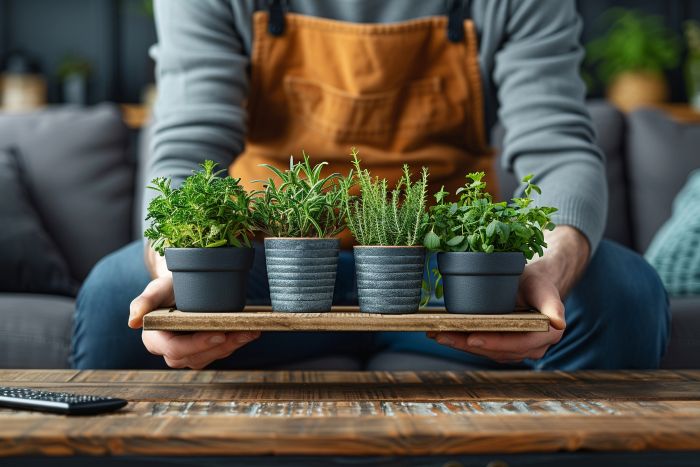
Bringing a bit of the outdoors inside does more than just make your living room look like a page out of an interior design magazine. It transforms the energy of a space. Indoor plants are natural air purifiers, mood boosters, and silent companions that add vibrancy to sterile office corners and cozy bedroom nooks alike.
The Best Plants for Low-Light Corners
Not every home is blessed with floor-to-ceiling windows, but that doesn’t mean you can’t have greenery. Some plants actually thrive in dimmer environments, and you can find them at a plant nursery like those in Salt Lake City. They’re perfect for hallways, offices, or apartments with limited natural light.
Snake Plant (Sansevieria)
The Snake Plant is practically indestructible. Its tall, architectural leaves add a modern touch to any room. It tolerates low light exceptionally well and needs very little water. In fact, you’re more likely to kill this one by overwatering it than by neglecting it. It’s also famous for filtering indoor air pollutants, making it a great bedside companion.
ZZ Plant (Zamioculcas zamiifolia)
If you often forget to water your plants, the ZZ Plant is for you. With its waxy, glossy leaves, it looks pristine even after weeks of neglect. It stores water in its rhizomes, allowing it to survive droughts that would wither other plants. It grows slowly but steadily in low-light areas where other species might struggle.
Sun-Lovers for Bright Spaces
If you have a windowsill that gets blasted with direct sunlight for most of the day, you need plants that won’t scorch. These varieties love to soak up the rays.
Succulents
From Echeveria to Aloe Vera, succulents are diverse and colorful. They are adapted to arid environments, meaning they love bright light and need soil that drains quickly. The key to happy succulents is the “soak and dry” method: water them thoroughly, then let the soil dry out completely before watering again.
Jade Plant (Crassula ovata)
The Jade Plant is a popular succulent shrub that can live for decades, often being passed down through generations. It resembles a miniature tree with thick, fleshy leaves. It thrives in direct sun and can even develop a reddish tint on its leaves when it gets enough light. Just be sure to keep it away from cold drafts in the winter.
Humidity-Loving Plants for Bathrooms
Kitchens and bathrooms often have higher humidity levels than the rest of the house, which can be a death sentence for succulents but a paradise for tropical varieties.
Ferns
Boston Ferns and Maidenhair Ferns love moisture. In a dry living room, their delicate fronds will crisp up, but in a steamy bathroom, they flourish. They prefer indirect light and soil that stays consistently moist. If your bathroom has a window, a hanging fern is a classic, lush choice.
Calathea (Prayer Plants)
Known for their stunning, patterned foliage, Calatheas are the peacocks of the plant world. They move their leaves up at night and down during the day, which is why they are called the “Prayer Plant”. They require high humidity to prevent brown leaf tips. Placing them on a pebble tray with water or near a humidifier keeps them looking their best.
Essential Maintenance Tips
Keeping your indoor jungle alive doesn’t require a degree in botany. Stick to these three basic rules:
1. Watering: The number one killer of indoor plants is overwatering. Most plants prefer to dry out slightly between waterings. Stick your finger an inch into the soil; if it feels dry, it’s time to water. If it’s damp, wait a few days.
2. Soil: Use a high-quality potting mix. For succulents and cacti, use a specific cactus mix that promotes drainage. For tropical plants, a standard peat-based mix works well.
3. Pest Prevention: Inspect your plants regularly. If you see sticky residue or tiny webs, you might have pests like spider mites or aphids. wiping leaves down with a damp cloth or using neem oil can help keep infestations at bay.
Conclusion
Choose plants that fit your lifestyle. If you’re busy or travel often, pick low-maintenance options like Snake Plants or ZZ Plants. If you have more time for daily care, you might enjoy high-maintenance plants like Ferns.