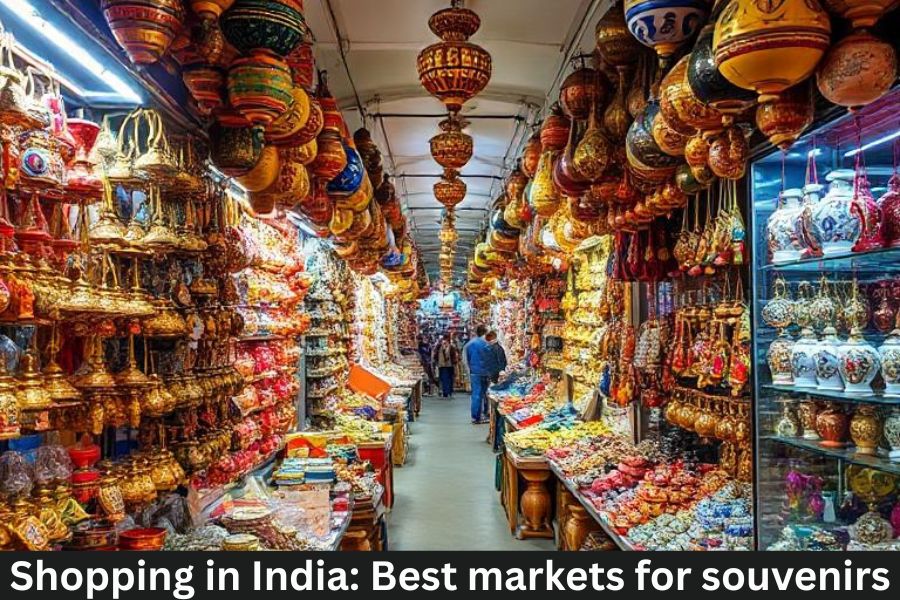
If you’ve ever wondered why travelers come back from India with bags full of stuff, the reason is simple: the markets here are alive. They’re noisy, colorful, aromatic, surprising, and they pull you into stories you don’t find in shopping malls anywhere else.
A sensory explosion unlike anywhere else
Imagine weaving through lanes where incense curls through the air, spices stack in vivid pyramids, and fabrics shimmer with local dyes. Every stall, every shop, every alley seems to shout, take me home. That’s not exaggeration — it’s just what Indian markets do. They’re not just places to buy things; they’re arenas of culture, trade, and daily life.
Handcrafted stories vs mass-market trinkets
What makes a souvenir truly special is the story behind it. In India, many items are handmade by artisans whose techniques have been passed down generations. A scarf isn’t just a scarf; it might be block-printed by a family that’s been doing it for decades. A piece of jewelry could be set in a style unique to a region. That human touch, the heritage behind a product — that’s a souvenir you’ll actually cherish.
What to look for in a souvenir market
Before you start hunting for treasures, it helps to know what makes one market better than another.
Authenticity and local craft traditions
Markets that support local artisans or have long traditions of particular crafts tend to offer more meaningful items. You’re looking for places where craftspeople can display or sell authentic work, not just imported or machine-made goods.
Variety, accessibility, and bargaining culture
You want a market where you can find different things — textiles, jewelry, foods, décor — in one go. A marketplace with a culture of bargaining can be fun and save you money, but it takes a little practice to do it well.
Practical tips before you dive in
- Wear comfortable shoes; you’ll walk a lot.
- Keep small change handy; many stalls prefer cash.
- Bring a small bag for immediate purchases, and a bigger one if you plan to buy a few large items.
Delhi’s best markets for memorable finds
Delhi is a spectacular starting point. It blends deep history with modern energy, and its markets reflect that mix.
Chandni Chowk – centuries-old hustle
If you want a taste of Delhi’s oldest and most famous shopping lanes, head to Chandni Chowk. Established in the 17th century, it’s one of the largest and oldest wholesale markets in India. Its history alone makes it fascinating, but the shopping is the real draw: fabrics, jewelry, spices, sweets, and traditional items everywhere you look. Walking here is a full experience — colors, scents, crowds, and vendors calling out.
While specific shop guidance varies by time, the charm remains constant: tradition, variety, and the sheer sense of stepping into a historic marketplace where you can still uncover bargains and local crafts.
Dilli Haat – curated crafts under one roof
For a different kind of market experience that still feels authentic, go to Dilli Haat. It’s designed to feel like a traditional rural marketplace but in a controlled, visitor-friendly setting. The government-run craft bazaar brings artisans from across India on a rotational basis, which helps ensure genuine handicrafts and reasonable pricing. Official sources describe it as a place where craftspeople from all over the country present native, utilitarian, and ethnic products; food stalls also offer regional specialties.
Why this matters: you get a wide array of authentic crafts without wandering aimlessly, and the atmosphere is lighter and less overwhelming than many crowded streets. It’s excellent if you want to buy souvenirs and also enjoy regional food, cultural events, and a more relaxed stroll.
Janpath – street-shopping with style
Another classic spot is Janpath Market, known for small kiosks selling cotton clothes, curios, and jewelry — often at very low prices. Government tourism information notes export-surplus garments sold dirt-cheap here, along with silver and artificial jewelry, reflecting a culture of street shopping where bargain skills matter.
Traveler reviews also highlight friendly shop owners, a mix of bargain and fixed prices, and a pleasant environment to walk even in the busy city center. So, if you enjoy hunting for deals and finding unique, wearable souvenirs, Janpath is a must-visit.
Jaipur’s iconic bazaars for traditional treasures
Known as the Pink City, Jaipur feels like a living art gallery, and its bazaars are an extension of that charm.
Johari Bazaar – gemstone and jewelry heaven
For jewelry, nothing beats Johari Bazaar. It’s one of Jaipur’s oldest markets and a true shopper’s paradise for exquisite jewelry and artifacts. The Jaipur Tourism site confirms it’s a historic hub, open daily with long hours, and famed for its range of jewelry in traditional Rajasthani styles.
Here you’ll find gold, diamond, ruby, emerald, and silver pieces, often showcasing Rajasthani techniques like Thewa and Kundan. The market also sells textiles, footwear, and colorful fabrics, so it’s good for both jewelry lovers and anyone looking to grab something distinctly Rajasthani. It’s particularly strong if you’re buying gifts that feel luxurious yet rooted in local craft traditions.
Tip: some shops may have fixed prices, so expect some variation in bargaining culture depending on what you buy. Still, the depth of selection is unmatched.
Bapu Bazaar – textiles, footwear, and colors
If textiles and traditional footwear are your thing, Bapu Bazaar delivers energy, bright colors, and authentic products at great value. It’s known not only for accessories and jewelry but also for Rajasthani essentials like mojari footwear, vibrant bandhej and tie-dye fabrics, and decorative handicrafts. Official Jaipur Tourism information details the market’s offerings, including mojari shoes, artificial jewelry, clothing, and many handcrafted goods.
Bargaining is common here, and that’s part of the fun. You can walk away with beautifully crafted items for much less than you’d pay in more tourist-centric shops. If you want a colorful wardrobe or a few souvenirs that scream Jaipur, this market is perfect.
Mumbai’s eclectic markets for trendy keepsakes
Mumbai is a fast-paced, cosmopolitan city, and its street markets reflect a blend of style, culture, and fun.
Colaba Causeway – vibrant street bazaar
One of Mumbai’s most popular markets is Colaba Causeway. It’s a lively stretch where fashion, accessories, antiques, and food collide. TripAdvisor reviews describe it as iconic, attracting tourists, foodies, and architecture lovers, with famous street shopping for affordable jewelry, clothes, and trinkets. Reviewers mention strong bargaining potential and a lively atmosphere.
This means you can find stylish souvenirs, costume jewelry, bags, and even antiques to suit any budget. It’s ideal for bringing home gifts that feel young, trendy, and distinct from what you’d get in other cities.
Crawford Market – old-world charm meets modern picks
For a more historic vibe, explore Crawford Market (also known by its official name Mahatma Jyotiba Phule Mandai). It’s one of South Mumbai’s best-known markets, with a history dating back to the 19th century. While parts of it are more focused on produce and pets, the broader area around it gives you a feel of Mumbai’s heritage trading zones. Antique finds, local foods, and old-style shop fronts give it character.
Regardless of the specific products you buy, wandering here offers a glimpse into the city’s history and an opportunity to buy souvenirs that feel tied to Mumbai’s past — whether spices, sweets, or decorative items.
Goa’s markets for boho and coastal souvenirs
If you’re after eclectic, bohemian souvenirs or items that capture India’s beach culture, Goa is your playground.
Anjuna Flea Market – hippie roots, modern buzz
Anjuna Flea Market is one of the most famous markets in Goa, originally started by hippie travelers in the 1960s. It remains a huge attraction today. Traveler reviews note its history as a hippie trading post, now expanded and bustling with stalls selling handicrafts, hippie clothes, and trinkets.
Here you can pick up beachwear, jewelry, crafts, and quirky gifts — all with a distinct coastal vibe. It’s perfect if you want souvenirs that remind you of Goa’s relaxed, artistic spirit. Since it draws so many visitors, expect both fixed-price and bargaining stalls, and be prepared to browse widely to find the item that truly speaks to you.
Mapusa Market – Friday fiesta of local life
For a more local, authentic experience — especially if you’re in Goa on a Friday — head to Mapusa Market. It’s held weekly and known for a wide range of products: fresh produce, spices, textiles, clothing, handicrafts, and souvenirs. Goa Tourism highlights its vibrant atmosphere and the diversity of goods, making it a top spot for experiencing Goan culture and shopping.
You can buy fresh spices, traditional clothing, wooden crafts, pottery, or brass pieces. The market also offers local food, and visiting it gives you a real sense of how locals buy and sell. If you’re looking for souvenirs that feel truly Goan, Mapusa is a can’t-miss destination.
Rishikesh and other spiritual hubs
India’s spiritual centers offer souvenirs that are not only beautiful but also meaningful.
Ram Jhula and Laxman Jhula areas – yoga, beads, peace
Along the Ganges in Rishikesh, markets near bridges like Ram Jhula and Laxman Jhula have shops offering items linked to meditation, yoga, and spiritual practice. Think prayer beads, incense, hand-made jewelry, books on spirituality, and yoga accessories. These make beautiful gifts and personal keepsakes for anyone drawn to mindfulness and inner peace.
While specific official pages for each shop vary, the overall atmosphere is serene: a contrast to the hustle of big cities and a chance to buy souvenirs that remind you of calm mornings by the river or chanting sessions at dusk. Spiritual towns add context to your purchases, making them feel like part of a journey rather than random finds.
How spiritual towns add meaning to souvenirs
Souvenirs from places like Rishikesh carry an intangible value: they remind you of slower days, of the sound of flowing water, and of a mood you want to recapture. That can make a simple bracelet or candle holder far more cherished than something bought in a generic tourist shop elsewhere.
Types of souvenirs worth buying
Now that you know where to shop, let’s look at what to buy.
Handicrafts and decorative arts
Wood carvings, brass statues, handmade pottery, and wall hangings are all classic Indian souvenirs. Each region has its specialties — Rajasthan’s metalwork, Goa’s coastal crafts, Delhi’s diverse handicrafts. These pieces are perfect for decorating your home and sparking conversations about travel.
Textiles, clothing, and wearable art
India’s textile traditions are legendary. Look for:
- Silk or cotton scarves
- Block-printed fabrics
- Bandhani and tie-dye garments
- Pashmina or wool shawls (depending on region and season)
These are practical, beautiful, and easy to pack. They add color to your wardrobe and carry a story of craft.
Spices, teas, and edible gifts
Aromatic spices, tea blends, or local sweets are delightful gifts to share with friends. They offer a sensory memory: the smell of cardamom, the taste of street chai, or the sweet bite of local desserts. Just check customs regulations for what you can bring back home.
Jewelry, accessories, and small keepsakes
Silver jewelry, bead necklaces, anklets, or small boxes can be inexpensive yet precious. These items often have design elements unique to the area — gemstones in Jaipur, tribal beads in Goa, or symbolic motifs in spiritual towns.
Smart shopping strategies
How to bargain without stress
Bargaining is part of the fun and culture in many markets. Here’s how to do it well:
- Start with a smile and friendly conversation.
- Offer a price that’s lower than the asking price, but not absurdly low.
- Be ready to walk away; often, you’ll be called back with a better offer.
- Keep a rough idea of what seems fair for the item. If unsure, compare a few stalls before buying.
It’s not about winning or losing; it’s about finding a fair price and enjoying the exchange. Many vendors expect it, and it’s often how they make a living.
Checking quality, materials, and authenticity
To make sure your souvenirs last:
- Inspect stitching on textiles.
- Check metal or gemstone quality in jewelry.
- Ask about materials or where an item was made.
- Look for consistency in dyes or prints; unevenness might be handcrafted charm or a flaw — know the difference.
If something seems too cheap for its materials, ask questions. A little time spent checking can save disappointment later.
Packing and transporting fragile items
For fragile crafts:
- Use bubble wrap or soft clothing to cushion items.
- Carry breakables in your hand luggage if possible.
- Keep spices or powders in sealed containers.
- Check airline regulations for liquids, powders, and food items.
It’s better to pack an item carefully from the start than to risk it breaking on the way home.
Luxury markets vs local street bazaars
When to choose comfort and fixed prices
Luxury markets, upscale boutiques, or government-run bazaars often offer fixed or slightly higher prices but guarantee quality, comfortable shopping conditions, and sometimes better security or packaging. If you dislike crowds or bargaining, or if you need to buy gifts quickly, these can be ideal.
When to chase character and bargains
Street bazaars and local markets thrive on personality, negotiation, and discovery. They’re best when you want to:
- Explore long streets with surprises around every corner
- Save money by bargaining
- Pick up items that feel truly local rather than branded
- Immerse yourself in the city’s rhythm and daily life
Both styles are valuable. Ideally, sample both so you get a full sense of India’s shopping scene.
Conclusion
Shopping in India is not just about buying something to carry home — it’s about collecting memories, stories, and pieces of culture. Markets from Delhi to Goa, Jaipur to Mumbai, and spiritual towns like Rishikesh each offer their own flavor of souvenirs. They pull you into history, heritage, and local life.
Whether you’re drawn to sparkling jewelry in Jaipur, handmade crafts at Dilli Haat, bohemian finds in Goa, or peaceful spiritual keepsakes along the Ganges, India’s markets will surprise you. They’ll challenge you to bargain, reward you with hidden gems, and leave you with keepsakes that feel truly priceless.
So step into the lanes, follow your curiosity, and fill your bags with items that will remind you — long after you return home — of the sights, sounds, and spirit of India.
FAQs
1. What’s the best city in India to start souvenir shopping?
Delhi is an excellent starting point because it offers historic markets like Chandni Chowk, the curated crafts of Dilli Haat, and the street shopping of Janpath — all within the city. From there, you can branch out to Jaipur, Mumbai, Goa, or spiritual towns.
2. Is bargaining necessary everywhere?
No, but bargaining is common in many street markets. In some specialty markets or upscale shops, prices may be fixed. It helps to check a few stalls, gauge the vibe, and decide whether to bargain or accept the listed price.
3. Can I buy spices or food items safely for travel?
Yes, but use sealed containers and check airline or customs rules of your destination. Markets in Goa and Delhi, for example, offer spices and regional foods — delicious souvenirs if packed carefully.
4. What should I avoid buying in street markets?
Avoid anything that seems counterfeit, illegally sourced, or suspiciously cheap for its material. Also skip items that are too fragile if you don’t have adequate packing materials or luggage space.
5. How can I ensure I’m supporting local artisans?
Visit markets known for authentic craft traditions, like Dilli Haat’s artisan rotations, and ask vendors about the origin of the items. Buying handcrafted goods, rather than imported or factory-made items, often supports local craft communities directly.